աքիս
Armenian
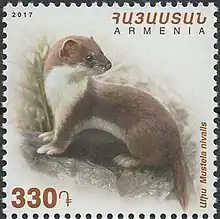
Աքիսը հայկական նամականիշի վրա
Etymology
Inherited from Old Armenian աքիս (akʿis).
Pronunciation
- (Eastern Armenian, standard) IPA(key): [ɑˈkʰis]
- (Western Armenian, standard) IPA(key): [ɑˈkʰis]
Audio (Eastern Armenian) (file) - Hyphenation: ա‧քիս
Declension
i-type, animate (Eastern Armenian)
| singular | plural | |||
|---|---|---|---|---|
| nominative | աքիս (akʿis) | աքիսներ (akʿisner) | ||
| dative | աքիսի (akʿisi) | աքիսների (akʿisneri) | ||
| ablative | աքիսից (akʿisicʿ) | աքիսներից (akʿisnericʿ) | ||
| instrumental | աքիսով (akʿisov) | աքիսներով (akʿisnerov) | ||
| locative | — | — | ||
| definite forms | ||||
| nominative | աքիսը/աքիսն (akʿisə/akʿisn) | աքիսները/աքիսներն (akʿisnerə/akʿisnern) | ||
| dative | աքիսին (akʿisin) | աքիսներին (akʿisnerin) | ||
| 1st person possessive forms (my) | ||||
| nominative | աքիսս (akʿiss) | աքիսներս (akʿisners) | ||
| dative | աքիսիս (akʿisis) | աքիսներիս (akʿisneris) | ||
| ablative | աքիսիցս (akʿisicʿs) | աքիսներիցս (akʿisnericʿs) | ||
| instrumental | աքիսովս (akʿisovs) | աքիսներովս (akʿisnerovs) | ||
| locative | — | — | ||
| 2nd person possessive forms (your) | ||||
| nominative | աքիսդ (akʿisd) | աքիսներդ (akʿisnerd) | ||
| dative | աքիսիդ (akʿisid) | աքիսներիդ (akʿisnerid) | ||
| ablative | աքիսիցդ (akʿisicʿd) | աքիսներիցդ (akʿisnericʿd) | ||
| instrumental | աքիսովդ (akʿisovd) | աքիսներովդ (akʿisnerovd) | ||
| locative | — | — | ||
Alternative forms
- աքյիս (akʿyis) — Moks
- աքիստ (akʿist) — Akhaltsikhe
Derived terms
Descendants
- → Turkish: akiz
References
- Ġazaryan, Ṙ. S. (1998), “աքիս”, in Kendanineri anunneri hayeren-ṙuseren-latineren kargabanakan baṙaran. Girkʿ A. Katʿnasunner [An Armenian–Russian–Latin Taxonomic Dictionary of Animal Names. Book I. Mammals] (in Armenian), Yerevan: Pyunik, § 301, page 32
Old Armenian
Etymology
The origin is uncertain. Has been compared to Armenian ախազ (axaz, “ermine”), Sanskrit कशीका (kaśīkā, “weasel”), Persian خز (xaz, “marten”), Middle Persian [script needed] (kʾkwm /kākom/, “stoat”), Akkadian 𒅗𒆠𒋗 (/kakkišu/, “a small animal with a reputation for thievery, likely a type of rodent”), 𒀾𒋾𒆠𒋢 (/aštakissu/, “a rodent”), Proto-Turkic *kīĺ (“sable”) (whence e.g. Kazakh кіс (kıs)). To the comparison can also be added Kazakh ақкіс (aqkıs, “ermine”), presumably with ақ (aq, “white”).
Noun
աքիս • (akʿis)
- weasel, least weasel (Mustela nivalis)[1]
- 5th century, with changes and additions in later centuries, Baroyaxōs [Physiologus] Earliest recension (TR).24.2–3:[2]
- Բարոյախաւսն ասէ զաքսոյ, թէ այնպիսի ինչ բարք են․ զսերմ արուին ի բերանն առնու եւ յղանայ, եւ ընդ ականջսն ծնանի։
- Baroyaxawsn asē zakʿsoy, tʿē aynpisi inčʿ barkʿ en; zserm aruin i berann aṙnu ew yłanay, ew ənd akanǰsn cnani.
- Translation by Gohar Muradyan
- Phsyiologus says about the weasel that it has the following habit: it receives the sperm of the male through the mouth and conceives, and they give birth through the ears.
- Բարոյախաւսն ասէ զաքսոյ, թէ այնպիսի ինչ բարք են․ զսերմ արուին ի բերանն առնու եւ յղանայ, եւ ընդ ականջսն ծնանի։
Usage notes
- In the Physiologus, translates Ancient Greek γαλῆ (galê).
Declension
i-type
| singular | plural | ||
|---|---|---|---|
| nominative | աքիս (akʿis) | աքիսք (akʿiskʿ) | |
| genitive | աքսի (akʿsi) | աքսից (akʿsicʿ) | |
| dative | աքսի (akʿsi) | աքսից (akʿsicʿ) | |
| accusative | աքիս (akʿis) | աքիսս (akʿiss) | |
| ablative | աքսէ (akʿsē) | աքսից (akʿsicʿ) | |
| instrumental | աքսիւ (akʿsiw) | աքսիւք (akʿsiwkʿ) | |
| locative | աքսի (akʿsi) | աքիսս (akʿiss) |
o-type
Derived terms
- մկնաքիս (mknakʿis)
Descendants
References
- Ġazarean, Ṙ. S. (2000), “աքիս”, in Tʿosunean G. B., editor, Grabari baṙaran [Dictionary of Old Armenian] (in Armenian), volume I, Yerevan: University Press, page 235ab
- Muradyan, Gohar (2005) Physiologus: The Greek and Armenian Versions with a Study of Translation Technique (Hebrew University Armenian Studies; 6), Leuven – Paris – Dudley: Peeters, pages 128, 157
Further reading
- Ačaṙean, Hračʿeay (1971), “աքիս”, in Hayerēn armatakan baṙaran [Armenian Etymological Dictionary] (in Armenian), volume I, 2nd edition, a reprint of the original 1926–1935 seven-volume edition, Yerevan: University Press, page 370a
- Awetikʿean, G.; Siwrmēlean, X.; Awgerean, M. (1836–1837), “աքիս”, in Nor baṙgirkʿ haykazean lezui [New Dictionary of the Armenian Language] (in Old Armenian), Venice: S. Lazarus Armenian Academy
- J̌ahukyan, Geworg (2010), “աքիս”, in Vahan Sargsyan, editor, Hayeren stugabanakan baṙaran [Armenian Etymological Dictionary] (in Armenian), Yerevan: Asoghik, pages 106–107
- Martirosyan, Hrach (2010), “akʿis”, in Etymological Dictionary of the Armenian Inherited Lexicon (Leiden Indo-European Etymological Dictionary Series; 8), Leiden and Boston: Brill, pages 159–162
- Mkrtčjan, N. A. (2005) Семитские языки и армянский [Semitic Languages and Armenian] (in Russian), Yerevan: Drazark, →ISBN, page 260
- Petrosean, Matatʿeay (1879), “աքիս”, in Nor Baṙagirkʿ Hay-Angliarēn [New Dictionary Armenian–English], Venice: S. Lazarus Armenian Academy
- Starostin, Sergei; Dybo, Anna; Mudrak, Oleg (2003), “*k`i̯ū́ĺa”, in Etymological dictionary of the Altaic languages (Handbuch der Orientalistik; VIII.8), Leiden, New York, Köln: E.J. Brill
This article is issued from Wiktionary. The text is licensed under Creative Commons - Attribution - Sharealike. Additional terms may apply for the media files.