խլուրդ
Armenian
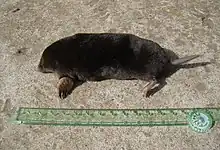
Խլուրդ (1)
Etymology
From Old Armenian խլուրդ (xlurd).
Pronunciation
- (Eastern Armenian, standard) IPA(key): [χəˈluɾd]
- (Western Armenian, standard) IPA(key): [χəˈluɾtʰ]
Audio (Eastern Armenian) (file)
Noun
խլուրդ • (xlurd)
Declension
i-type, animate (Eastern Armenian)
| singular | plural | |||
|---|---|---|---|---|
| nominative | խլուրդ (xlurd) | խլուրդներ (xlurdner) | ||
| dative | խլուրդի (xlurdi) | խլուրդների (xlurdneri) | ||
| ablative | խլուրդից (xlurdicʿ) | խլուրդներից (xlurdnericʿ) | ||
| instrumental | խլուրդով (xlurdov) | խլուրդներով (xlurdnerov) | ||
| locative | — | — | ||
| definite forms | ||||
| nominative | խլուրդը/խլուրդն (xlurdə/xlurdn) | խլուրդները/խլուրդներն (xlurdnerə/xlurdnern) | ||
| dative | խլուրդին (xlurdin) | խլուրդներին (xlurdnerin) | ||
| 1st person possessive forms (my) | ||||
| nominative | խլուրդս (xlurds) | խլուրդներս (xlurdners) | ||
| dative | խլուրդիս (xlurdis) | խլուրդներիս (xlurdneris) | ||
| ablative | խլուրդիցս (xlurdicʿs) | խլուրդներիցս (xlurdnericʿs) | ||
| instrumental | խլուրդովս (xlurdovs) | խլուրդներովս (xlurdnerovs) | ||
| locative | — | — | ||
| 2nd person possessive forms (your) | ||||
| nominative | խլուրդդ (xlurdd) | խլուրդներդ (xlurdnerd) | ||
| dative | խլուրդիդ (xlurdid) | խլուրդներիդ (xlurdnerid) | ||
| ablative | խլուրդիցդ (xlurdicʿd) | խլուրդներիցդ (xlurdnericʿd) | ||
| instrumental | խլուրդովդ (xlurdovd) | խլուրդներովդ (xlurdnerovd) | ||
| locative | — | — | ||
Derived terms
- խլրդային (xlrdayin)
- խլրդբլոց (xlrdblocʿ)
- խլրդկտոց (xlrdktocʿ)
- խլրդուկ (xlrduk)
Further reading
 խլուրդ on the Armenian Wikipedia.Wikipedia hy
- Ačaṙean, Hračʿeay (1973), “խլուրդ”, in Hayerēn armatakan baṙaran [Armenian Etymological Dictionary] (in Armenian), volume II, 2nd edition, a reprint of the original 1926–1935 seven-volume edition, Yerevan: University Press, page 374ab
- Sargsyan, Artem et al., editors (2002), “խլուրդ”, in Hayocʿ lezvi barbaṙayin baṙaran [Dialectal Dictionary of the Armenian Language] (in Armenian), volume II, Yerevan: Hayastan, page 333a
Old Armenian
Alternative forms
- խլիրդն (xlirdn)
Etymology
A Classical Syriac borrowing: compare Classical Syriac ܚܘܠܕܐ (ḥuldā, “mole”), ܚܠܕܘܕܐ (ḥalḏūḏā, ḥaləḏūḏā, “field mouse or jerboa”),[1] ܚܠܘܕܐ (ḥallūḏā, ḥālūḏā, “field mouse or jerboa”), ܚܠܕܝܬܐ (ḥalāḏīṯā, “gangrene, canker”) (attested in the same passages of Aphrahat as խլիրդն (xlirdn), խլրդենի (xlrdeni, “gangrene, canker”)), all from the root ܚ-ܠ-ܕ (ḥ-l-d) related to crawling. See also խլրտամ (xlrtam).
Noun
խլուրդ • (xlurd)
- mole (animal)
- 5th century, Bible, Leviticus 11.30:[2]
- […] եւ մկնաքիս եւ գետնառեւծ եւ կովադիաց եւ մողէզ եւ խլուրդ (var. խլուրդն):
- […] ew mknakʿis ew getnaṙewc ew kovadiacʿ ew mołēz ew xlurd (var. xlurdn):
- Translation by New English Translation of the Septuagint
- […] field mouse and chameleon and gecko and lizard and blind rat.
- […] եւ մկնաքիս եւ գետնառեւծ եւ կովադիաց եւ մողէզ եւ խլուրդ (var. խլուրդն):
- 10/13th century, Tʿovmay Arcruni and Ananun, Patmutʿiwn tann Arcruneacʿ [History of the House of Artsrunik] :[3][4]
- Ո՜վ Բաբելացի կոյր՝ ունելով խելապատակ ցնդեալ ի մկանց եւ ի խլրդից […]
- O!v Babelacʿi koyr, unelov xelapatak cʿndeal i mkancʿ ew i xlrdicʿ […]
- Translation by Robert W. Thomson
- Oh blind Babylonian with brains addled by mice and moles […]
- Ո՜վ Բաբելացի կոյր՝ ունելով խելապատակ ցնդեալ ի մկանց եւ ի խլրդից […]
- 11th century, Grigor Magistros, Grigor Magistrosi tʿłtʿerə [The letters of Grigor Magistros] :[5]
- […] կափուցեալ զաչս իբրև զխլուրդս […]
- […] kapʿucʿeal začʿs ibrew zxlurds […]
- […] կափուցեալ զաչս իբրև զխլուրդս […]
- 13th century, Patmutʿiwn vracʿ [The History of Georgians] :[6][7]
- Եւ ասէ ցնա Վախթանգ․ Անմիտ դու և մուկն խլուրդ […]
- Ew asē cʿna Vaxtʿang; Anmit du ew mukn xlurd […]
- Translation by Robert W. Thomson
- Vaxt‘ang said to him: ‘You are a stupid mouse-like mole […]
- Եւ ասէ ցնա Վախթանգ․ Անմիտ դու և մուկն խլուրդ […]
- (only in the form խլիրդն (xlirdn)) gangrene, canker
- Synonym: խլրդենի (xlrdeni)
- 5th century, Aphrahat, Zgōn [Demonstrations] VII.3:[8][9]
- […] իսկ որ խլրդենին (var. խլիրդն) ստանայ յանձն իւր, չիք ինչ հնար բժշկութեան նորա […]
- […] isk or xlrdenin (var. xlirdn) stanay yanjn iwr, čʿikʿ inčʿ hnar bžškutʿean nora […]
- Translation by Guy Lafontaine
- […] (ei) qui autem gangraenam habet in se ipso, non est ullum remedium sanationis ei […]
- […] իսկ որ խլրդենին (var. խլիրդն) ստանայ յանձն իւր, չիք ինչ հնար բժշկութեան նորա […]
- 5th century, Aphrahat, Zgōn [Demonstrations] VII.5:[10][11]
- […] զէն ոչ կարեն զգենուլ, զի խլրդենի (var. խլիրդն) ստացան ի մարմինս իւրեանց։ Եւ մինչ խլրդենին ի (var. մինչև խլիրդն առ) նոսա իցէ և ժպրհեսցին զէն զգենուլ […]
- […] zēn očʿ karen zgenul, zi xlrdeni (var. xlirdn) stacʿan i marmins iwreancʿ. Ew minčʿ xlrdenin i (var. minčʿew xlirdn aṙ) nosa icʿē ew žprhescʿin zēn zgenul […]
- Translation by Guy Lafontaine
- […] arma non possunt induere, quod gangraenam habuerunt in corporibus suis. Et dum gangraena in eis erit et audebunt arma induere […]
- […] զէն ոչ կարեն զգենուլ, զի խլրդենի (var. խլիրդն) ստացան ի մարմինս իւրեանց։ Եւ մինչ խլրդենին ի (var. մինչև խլիրդն առ) նոսա իցէ և ժպրհեսցին զէն զգենուլ […]
Usage notes
- In the Bible, translates Ancient Greek ἀσπάλαξ (aspálax).
- The passage in Arcruni alludes to Leviticus 11.30 which refers to mice and moles as unclean animals.
- Some dictionaries postulate a nominative *խլուրդն (*xlurdn) based on the genitive խլրդան (xlrdan), but it could be the genitive of the form խլիրդն (xlirdn) attested as a variant reading of the sense "gangrene, canker".
Declension
i-type
| singular | plural | ||
|---|---|---|---|
| nominative | խլուրդ (xlurd) | խլուրդք (xlurdkʿ) | |
| genitive | խլրդի (xlrdi) | խլրդից (xlrdicʿ) | |
| dative | խլրդի (xlrdi) | խլրդից (xlrdicʿ) | |
| accusative | խլուրդ (xlurd) | խլուրդս (xlurds) | |
| ablative | խլրդէ (xlrdē) | խլրդից (xlrdicʿ) | |
| instrumental | խլրդիւ (xlrdiw) | խլրդիւք (xlrdiwkʿ) | |
| locative | խլրդի (xlrdi) | խլուրդս (xlurds) |
Derived terms
- խլրդենի (xlrdeni)
- խլրդնի (xlrdni)
- հլրդենի (hlrdeni)
Descendants
- Armenian: խլուրդ (xlurd)
References
- Ačaṙean, Hračʿeay (1973), “խլուրդ”, in Hayerēn armatakan baṙaran [Armenian Etymological Dictionary] (in Armenian), volume II, 2nd edition, a reprint of the original 1926–1935 seven-volume edition, Yerevan: University Press, page 374ab
- Zēytʿunean A. S., editor (1993) Girkʿ Łewtacʿwocʿ [Book of Leviticus] (Hay hnaguyn tʿargmanakan hušarjanner; 4), critical text, Antelias: Holy See of Cilicia, page 87
- Tʿovma Arcruni ew Ananun (2006), M. H. Darbinyan-Melikʿyan, editor, Patmutʿiwn Tann Arcruneacʿ [History of the House of Artsrunik], critical text with introduction and commentary, Yerevan: Magaghat, page 29
- Thomson, Robert W. (1985) Thomas Artsruni, History of the House of the Artsrunik‘: translation and commentary (Byzantine texts in translation), Detroit, Michigan: Wayne State University Press, page 84
- Kostaneancʿ, Karapet (1910) Grigor Magistrosi tʿġtʿerə [The letters of Grigor Magistros], Alexandropol: Gēorg Sanoyeancʿ Press, page 206
- J̌uanšēr (1884) Hamaṙōt patmutʿiwn vracʿ [Abridged History of Georgians] (Matenagrutʿiwnkʿ naxneacʿ), Venice: S. Lazarus Armenian Academy, page 88
- Thomson, Robert W. (1996) Rewriting Caucasian History: The Medieval Armenian Adaptation of the Georgian Chronicles. The Original Georgian Texts and the Armenian Adaptation, Oxford: Clarendon Press, page 208
- Lafontaine, Guy (1979) La version arménienne des œuvres d’Aphraate le Syrien. Tome II. Démonstrations VI–XII (Corpus scriptorum Christianorum Orientalium; 405. Scriptores Armeniaci; 9), a critical edition of the Old Armenian text, Louvain: Peeters, page 37
- Lafontaine, Guy (1979) La version arménienne des œuvres d’Aphraate le Syrien. Tome II. Démonstrations VI–XII (Corpus scriptorum Christianorum Orientalium; 406. Scriptores Armeniaci; 10), a translation from Old Armenian into Latin, Louvain: Peeters, page 22
- Lafontaine, Guy (1979) La version arménienne des œuvres d’Aphraate le Syrien. Tome II. Démonstrations VI–XII (Corpus scriptorum Christianorum Orientalium; 405. Scriptores Armeniaci; 9), a critical edition of the Old Armenian text, Louvain: Peeters, page 39
- Lafontaine, Guy (1979) La version arménienne des œuvres d’Aphraate le Syrien. Tome II. Démonstrations VI–XII (Corpus scriptorum Christianorum Orientalium; 406. Scriptores Armeniaci; 10), a translation from Old Armenian into Latin, Louvain: Peeters, page 22
Further reading
- “ḥld”, in The Comprehensive Aramaic Lexicon Project, Cincinnati: Hebrew Union College, 1986–, retrieved 2021-06-26
- Awetikʿean, G.; Siwrmēlean, X.; Awgerean, M. (1836), “խլուրդ”, in Nor baṙgirkʿ haykazean lezui [New Dictionary of the Armenian Language] (in Old Armenian), volume I, Venice: S. Lazarus Armenian Academy, page 946c
- Awetikʿean, G.; Siwrmēlean, X.; Awgerean, M. (1836), “խլիրդն”, in Nor baṙgirkʿ haykazean lezui [New Dictionary of the Armenian Language] (in Old Armenian), volume I, Venice: S. Lazarus Armenian Academy, page 946b
- Petrosean, Matatʿeay (1879), “խլուրդ”, in Nor Baṙagirkʿ Hay-Angliarēn [New Dictionary Armenian–English], Venice: S. Lazarus Armenian Academy
This article is issued from Wiktionary. The text is licensed under Creative Commons - Attribution - Sharealike. Additional terms may apply for the media files.