մաճ
Armenian
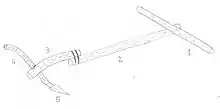
Մաճ (4)
Alternative forms
- մանճ (manč) — dialectal
Etymology
Inherited from Old Armenian մաճ (mač).
Pronunciation
- (Eastern Armenian, standard) IPA(key): [mɑt͡ʃ]
- (Western Armenian, standard) IPA(key): [mɑd͡ʒ]
Declension
i-type, inanimate (Eastern Armenian)
| singular | plural | |||
|---|---|---|---|---|
| nominative | մաճ (mač) | մաճեր (mačer) | ||
| dative | մաճի (mači) | մաճերի (mačeri) | ||
| ablative | մաճից (mačicʿ) | մաճերից (mačericʿ) | ||
| instrumental | մաճով (mačov) | մաճերով (mačerov) | ||
| locative | մաճում (mačum) | մաճերում (mačerum) | ||
| definite forms | ||||
| nominative | մաճը/մաճն (mačə/mačn) | մաճերը/մաճերն (mačerə/mačern) | ||
| dative | մաճին (mačin) | մաճերին (mačerin) | ||
| 1st person possessive forms (my) | ||||
| nominative | մաճս (mačs) | մաճերս (mačers) | ||
| dative | մաճիս (mačis) | մաճերիս (mačeris) | ||
| ablative | մաճիցս (mačicʿs) | մաճերիցս (mačericʿs) | ||
| instrumental | մաճովս (mačovs) | մաճերովս (mačerovs) | ||
| locative | մաճումս (mačums) | մաճերումս (mačerums) | ||
| 2nd person possessive forms (your) | ||||
| nominative | մաճդ (mačd) | մաճերդ (mačerd) | ||
| dative | մաճիդ (mačid) | մաճերիդ (mačerid) | ||
| ablative | մաճիցդ (mačicʿd) | մաճերիցդ (mačericʿd) | ||
| instrumental | մաճովդ (mačovd) | մաճերովդ (mačerovd) | ||
| locative | մաճումդ (mačumd) | մաճերումդ (mačerumd) | ||
i-type, inanimate (Western Armenian)
| singular | plural | |||
|---|---|---|---|---|
| nominative | մաճ (mač) | մաճեր (mačer) | ||
| dative | մաճի (mači) | մաճերու (mačeru) | ||
| ablative | մաճէ (mačē) | մաճերէ (mačerē) | ||
| instrumental | մաճով (mačov) | մաճերով (mačerov) | ||
| definite forms | ||||
| nominative | մաճը/մաճն (mačə/mačn) | մաճերը/մաճերն (mačerə/mačern) | ||
| dative | մաճին (mačin) | մաճերուն (mačerun) | ||
| ablative | մաճէն (mačēn) | մաճերէն (mačerēn) | ||
| instrumental | մաճովը/մաճովն (mačovə/mačovn) | մաճերովը/մաճերովն (mačerovə/mačerovn) | ||
| 1st person possessive forms (my) | ||||
| nominative | մաճս (mačs) | մաճերս (mačers) | ||
| dative | մաճիս (mačis) | մաճերուս (mačerus) | ||
| ablative | մաճէս (mačēs) | մաճերէս (mačerēs) | ||
| instrumental | մաճովս (mačovs) | մաճերովս (mačerovs) | ||
| 2nd person possessive forms (your) | ||||
| nominative | մաճդ (mačd) | մաճերդ (mačerd) | ||
| dative | մաճիդ (mačid) | մաճերուդ (mačerud) | ||
| ablative | մաճէդ (mačēd) | մաճերէդ (mačerēd) | ||
| instrumental | մաճովդ (mačovd) | մաճերովդ (mačerovd) | ||
Derived terms
- մաճակոթ (mačakotʿ)
- մաճամայր (mačamayr)
- մաճբուռ (mačbuṙ)
- մաճեղբայր (mačeġbayr)
- մաճքաշ (mačkʿaš)
Descendants
References
- Ačaṙean, Hračʿeay (1977), “մաճ”, in Hayerēn armatakan baṙaran [Armenian Etymological Dictionary] (in Armenian), volume III, 2nd edition, a reprint of the original 1926–1935 seven-volume edition, Yerevan: University Press, page 241ab
- Dankoff, Robert (1995) Armenian Loanwords in Turkish (Turcologica; 21), Wiesbaden: Harrassowitz Verlag, § 483, page 102
Old Armenian
Etymology
Borrowed from Middle Iranian *māč, attested in a prefixed form as Persian آماج (âmâj, “plough”).[1][2][3][4]
Noun
մաճ • (mač)
- stilt, the handle of a plough
- (by extension) plough, plowshare
- 5th century, Bible, Book of Judges 3.31:[5]
- Եւ յետ նորա յարեա՛ւ Սամեգար որդի Անաթայ․ և եհա՛ր յայլազգեացն վեց հարիւր այր մաճով արօրոյ, և ա՛ռ յաւարի արջառ եւ ոչխար բազում յոյժ, թո՛ղ զորթս արջառոց։ Եւ փրկեա՛ց նա զԻսրայէլ:
- Ew yet nora yareáw Samegar ordi Anatʿay; ew ehár yaylazgeacʿn vecʿ hariwr ayr mačov arōroy, ew áṙ yawari arǰaṙ ew očʿxar bazum yoyž, tʿół zortʿs arǰaṙocʿ. Ew pʿrkeácʿ na zIsrayēl:
- Translation by New English Translation of the Septuagint
- And after him arose Samegar son of Dinach, and he struck down the allophyles, fully six hundred men, with a bull’s ploughshare. And indeed he too delivered Israel.
- Եւ յետ նորա յարեա՛ւ Սամեգար որդի Անաթայ․ և եհա՛ր յայլազգեացն վեց հարիւր այր մաճով արօրոյ, և ա՛ռ յաւարի արջառ եւ ոչխար բազում յոյժ, թո՛ղ զորթս արջառոց։ Եւ փրկեա՛ց նա զԻսրայէլ:
- 5th century, Bible, Luke 9.62:[6]
- Ասէ ցնա Յս՟․ ո՛չ ոք արկանէ ձեռն զմաճով (var. զմահճաւք)՝ և հայիցի յետս․ եթէ յաջողեալ իցէ արքայութեան Այ՟։
- Asē cʿna Ys.; óčʿ okʿ arkanē jeṙn zmačov (var. zmahčawkʿ), ew hayicʿi yets; etʿē yaǰołeal icʿē arkʿayutʿean Ay..
- Translation by King James Bible
- And Jesus said unto him, No man, having put his hand to the plough, and looking back, is fit for the kingdom of God.
- Ասէ ցնա Յս՟․ ո՛չ ոք արկանէ ձեռն զմաճով (var. զմահճաւք)՝ և հայիցի յետս․ եթէ յաջողեալ իցէ արքայութեան Այ՟։
Usage notes
- In Judges, translates Ancient Greek ἀροτρόποδι (arotrópodi). In Luke, translates Ancient Greek ἄροτρον (árotron).
Declension
o-type
| singular | plural | ||
|---|---|---|---|
| nominative | մաճ (mač) | մաճք (mačkʿ) | |
| genitive | մաճոյ (mačoy) | մաճոց (mačocʿ) | |
| dative | մաճոյ (mačoy) | մաճոց (mačocʿ) | |
| accusative | մաճ (mač) | մաճս (mačs) | |
| ablative | մաճոյ (mačoy) | մաճոց (mačocʿ) | |
| instrumental | մաճով (mačov) | մաճովք (mačovkʿ) | |
| locative | մաճ (mač) | մաճս (mačs) | |
| an i-type instrumental singular մաճիւ (mačiw) and post-classically an i-a-type instrumental singular մաճաւ (mačaw) are also attested | |||
Derived terms
- մաճակալ (mačakal)
- մաճակալութիւն (mačakalutʿiwn)
Descendants
- Armenian: մաճ (mač)
References
- Lagarde, Paul de (1877) Armenische Studien (in German), Göttingen: Dieterich, § 1413, page 98
- Hübschmann, Heinrich (1897) Armenische Grammatik. 1. Theil: Armenische Etymologie (in German), Leipzig: Breitkopf & Härtel, page 191
- Ačaṙean, Hračʿeay (1977), “մաճ”, in Hayerēn armatakan baṙaran [Armenian Etymological Dictionary] (in Armenian), volume III, 2nd edition, a reprint of the original 1926–1935 seven-volume edition, Yerevan: University Press, page 241ab
- Bailey, H. W. (1979), “masarīka”, in Dictionary of Khotan Saka, Cambridge, London, New York, Melbourne: Cambridge University press, page 326ab
- Zōhrapean, Yovhannēs, editor (1805) Astuacašunčʿ matean Hin ew Nor Ktakaranacʿ [Bible: Scriptures of the Old and New Testaments], volume I, Venice: S. Lazarus Armenian Academy, page 477
- Künzle, Beda O. (1984) Das altarmenische Evangelium / L'Evangile arménien ancien, volume I: Edition zweier altarmenischer Handschriften / Edition de deux manuscrits arméniens anciens, Bern, Frankfurt am Main and New York: Peter Lang, page 169a
Further reading
- Awetikʿean, G.; Siwrmēlean, X.; Awgerean, M. (1837), “մաճ”, in Nor baṙgirkʿ haykazean lezui [New Dictionary of the Armenian Language] (in Old Armenian), volume II, Venice: S. Lazarus Armenian Academy, page 200b
- Künzle, Beda O. (1984), “mač”, in Das altarmenische Evangelium / L'Evangile arménien ancien, volume II: Lexikon / Lexique, Bern, Frankfurt am Main and New York: Peter Lang, page 438b
- Petrosean, Matatʿeay (1879), “մաճ”, in Nor Baṙagirkʿ Hay-Angliarēn [New Dictionary Armenian–English], Venice: S. Lazarus Armenian Academy
This article is issued from Wiktionary. The text is licensed under Creative Commons - Attribution - Sharealike. Additional terms may apply for the media files.