ܐܝܕܐ
Assyrian Neo-Aramaic
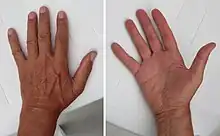
ܐܝܕܐ
Etymology
From Aramaic יְדָא (yəḏā), from Proto-Semitic *yad-; compare Arabic يَد (yad), Hebrew יָד (yád) and Akkadian 𒀉 (idum, “arm”).
Noun
ܐܝܼܕܵܐ • (īdā) f sg (plural ܐܝܼ̈ܕܹܐ (īdē) or ܐܝܼܕܵܬܹ̈ܐ (īdātē))
- (anatomy) hand
- ܫܥܝܼܫ ܠܹܗ ܐܝܼܕܝܼ. ― He shook my hand.
- ܐܝܼ̈ܕܵܟ݂ܝ ܠܵܐ ܡܵܪܥܝܼ ― īdāḵ lā mārˁī ― May your hands not hurt
- ܝܼܠܵܗ̇ ܒܐܝܼܕܝܼ ― īlāh bīdī ― I can control it/it is in my power (literally, “It is in my hand”)
- ܓܲܒ݂ܪܵܐ ܟܪܝܼܒ ܠܹܗ ܘܨܘܼܪܦܸܚ ܠܹܗ ܐܝܼܕܹܗ ܥܲܠ ܦܵܬܘܿܪܵܐ.
- gaḇrā krīb lēh w-ṣūrpiḥ lēh īdēh ˁal pātōrā.
- The man got angry and slapped his hand on the table.
- 1 Peter 1:5:
- ܒܵܣ ܡܲܟܸܦܘܼܢ ܓܵܢܵܘܟ݂ܘܿܢ ܬ݇ܚܘܿܬ ܐܝܼܕܵܐ ܚܲܝܠܵܢܬܵܐ ܕܐܲܠܵܗܵܐ، ܕܡܲܪܸܡ ܠܵܘܟ݂ܘܿܢ ܒܥܕܵܢܵܐ ܚܫܝܼܚܬܵܐ.
- bās makkipūn gānāwḵōn ḥōt īdā ḥaylāntā d-allāhā, d-marrim lāwḵōn b-ˁdānā ḥšīḥtā.
- Therefore humble yourselves under the mighty hand of God, that He may exalt you in due time.
- (animal anatomy) paw
- (card games) hand
- (soccer) hand foul
- axle (of a wheel)
- clapper (of a bell)
- handle
- (figuratively) power, might, dominion
Usage notes
- The plural ܐܝܼ̈ܕܹܐ (īdē) is used for literal or animate senses of the same possession while ܐܝܼܕܵܬܹ̈ܐ (īdātē) is used for the possession of more than one as well as for figurative or inanimate senses.
Inflection
Inflection of ܐܝܼܕܵܐ (īdā)
| number | isolated forms | with possessive pronouns | |||||
|---|---|---|---|---|---|---|---|
| state | form | person | singular | plural | |||
| m | f | ||||||
| singular | absolute | – | 1st person | ܐܝܼܕܝܼ (īdī) |
ܐܝܼܕܲܢ (īdan) | ||
| construct | ܝܲܕ (yad) |
2nd person | ܐܝܼܕܘܼܟ݂ (īdūḵ) |
ܐܝܼܕܵܟ݂ܝ (īdāḵ) |
ܐܝܼܕܵܘܟ݂ܘܿܢ (īdāwḵōn) | ||
| emphatic | ܐܝܼܕܵܐ (īdā) |
3rd person | ܐܝܼܕܹܗ (īdēh) |
ܐܝܼܕܵܗ̇ (īdāh) |
ܐܝܼܕܗܘܿܢ (īdhōn) | ||
| plural | absolute | – | 1st person | ܐܝܼܕܵܬܝܼ̈ (īdātī) |
ܐܝܼܕܵܬܲܢ̈ (īdātan) | ||
| construct | ܐܝܼܕܵܬ̈ (īdāt) |
2nd person | ܐܝܼܕܵܬܘܼ̈ܟ݂ (īdātūḵ) |
ܐܝܼܕܵܬܵܟ݂ܝ̈ (īdātāḵ) |
ܐܝܼܕܵܬܵܘ̈ܟ݂ܘܿܢ (īdātāwḵōn) | ||
| emphatic | ܐܝܼܕܵܬܹ̈ܐ (īdātē) |
3rd person | ܐܝܼܕܵܬܘܼ̈ܗܝ (īdātūh) |
ܐܝܼܕܵܬ̈ܘܿܗ̇ (īdātōh) |
ܐܝܼܕܵܬܗ̈ܘܿܢ (īdāthōn) | ||
Classical Syriac
Etymology 1
From Proto-Semitic *yad-.
Pronunciation
- IPA(key): [ʔiðɑ(ʔ)] (singular)
- IPA(key): [ʔiðe(ʔ)], [ʔiðajjɑ(ʔ)], [ʔiðawwɑθɑ(ʔ)], [ʔiðahhɑθɑ(ʔ)] (plural)
Noun
ܐܝܕܐ • (ˀīḏā) f (plural ܐܝܕܗܬܐ or ܐܝܕܘܬܐ or ܐܝܕܝܐ or ܐܝܕܐ)
Usage notes
Usually, the plurals ܐܝܕܐ (ʾīḏēʾ) and ܐܝܕܝܐ (ʾīḏayyāʾ) are used for literal or animate senses while ܐܝܕܘܬܐ (ʾīḏawwāṯāʾ) and ܐܝܕܗܬܐ (ʾīḏahhāṯāʾ) are used for figurative or inanimate senses.
Inflection
declension of ܐܝܕܐ
| state | singular | plural |
|---|---|---|
| absolute | ܝܕ | ܐܝܕܗܢ, ܐܝܕܘܢ, ܐܝܕܝܢ |
| construct | ܐܝܕ ,ܝܕ | ܐܝܕܗܬ, ܐܝܕܘܬ, ܐܝܕܝ |
| emphatic | ܐܝܕܐ | ܐܝܕܗܬܐ ,ܐܝܕܘܬܐ ,ܐܝܕܝܐ ,ܐܝܕܐ |
| possessive forms | ||
| 1st c. sg. (my) | ܐܝܕܝ | ܐܝܕܗܬܝ ,ܐܝܕܘܬܝ ,ܐܝܕܝ |
| 2nd m. sg. (your) | ܐܝܕܟ | ܐܝܕܗܬܟ ,ܐܝܕܘܬܟ ,ܐܝܕܝܟ |
| 2nd f. sg. (your) | ܐܝܕܟܝ | ܐܝܕܗܬܟܝ ,ܐܝܕܘܬܟܝ ,ܐܝܕܝܟܝ |
| 3rd m. sg. (his) | ܐܝܕܗ | ܐܝܕܗܬܗ ,ܐܝܕܘܬܗ ,ܐܝܕܘܗܝ |
| 3rd f. sg. (her) | ܐܝܕܗ | ܐܝܕܗܬܗ ,ܐܝܕܘܬܗ ,ܐܝܕܝܗ |
| 1st c. pl. (our) | ܐܝܕܢ | ܐܝܕܗܬܢ ,ܐܝܕܘܬܢ ,ܐܝܕܝܢ |
| 2nd m. pl. (your) | ܐܝܕܟܘܢ | ܐܝܕܗܬܟܘܢ ,ܐܝܕܘܬܟܘܢ ,ܐܝܕܝܟܘܢ |
| 2nd f. pl. (your) | ܐܝܕܟܝܢ | ܐܝܕܗܬܟܝܢ ,ܐܝܕܘܬܟܝܢ ,ܐܝܕܝܟܝܢ |
| 3rd m. pl. (their) | ܐܝܕܗܘܢ | ܐܝܕܗܬܗܘܢ ,ܐܝܕܘܬܗܘܢ ,ܐܝܕܝܗܘܢ |
| 3rd f. pl. (their) | ܐܝܕܗܝܢ | ܐܝܕܗܬܗܝܢ ,ܐܝܕܘܬܗܝܢ ,ܐܝܕܝܗܝܢ |
Pronunciation
- IPA(key): [ʔe(j)ðɑ(ʔ)] (singular)
- IPA(key): [ʔe(j)ðe(ʔ)] (plural)
Inflection
inflection of ܐܝܕܐ
| state | singular | plural |
|---|---|---|
| absolute | ܐܝܕ | ܐܝܕܝܢ |
| construct | ܐܝܕ | ܐܝܕܝ |
| emphatic | ܐܝܕܐ | ܐܝܕܐ |
| possessive forms | ||
| 1st c. sg. (my) | ܐܝܕܝ | ܐܝܕܝ |
| 2nd m. sg. (your) | ܐܝܕܟ | ܐܝܕܝܟ |
| 2nd f. sg. (your) | ܐܝܕܟܝ | ܐܝܕܝܟܝ |
| 3rd m. sg. (his) | ܐܝܕܗ | ܐܝܕܘܗܝ |
| 3rd f. sg. (her) | ܐܝܕܗ | ܐܝܕܝܗ |
| 1st c. pl. (our) | ܐܝܕܢ | ܐܝܕܝܢ |
| 2nd m. pl. (your) | ܐܝܕܟܘܢ | ܐܝܕܝܟܘܢ |
| 2nd f. pl. (your) | ܐܝܕܟܝܢ | ܐܝܕܝܟܝܢ |
| 3rd m. pl. (their) | ܐܝܕܗܘܢ | ܐܝܕܝܗܘܢ |
| 3rd f. pl. (their) | ܐܝܕܗܝܢ | ܐܝܕܝܗܝܢ |
References
- “yd”, in The Comprehensive Aramaic Lexicon Project, Cincinnati: Hebrew Union College, 1986–
- Costaz, Louis (2002) Dictionnaire syriaque-français ∙ Syriac–English Dictionary ∙ قاموس سرياني-عربي, 3rd edition, Beirut: Dar El-Machreq, p. 136b-137a
- Payne Smith, Jessie (1903) A Compendious Syriac Dictionary Founded Upon the Thesaurus Syriacus of R. Payne Smith, D.D., Oxford: Clarendon Press, p. 186a
- Sokoloff, Michael (2009) A Syriac Lexicon: A Translation from the Latin, Correction, Expansion, and Update of C. Brockelmann's Lexicon Syriacum, Winona Lake, Indiana; Piscataway, New Jersey: Eisenbrauns; Gorgias Press, p. 31b
Turoyo
Etymology
(This etymology is missing or incomplete. Please add to it, or discuss it at the Etymology scriptorium.)
This article is issued from Wiktionary. The text is licensed under Creative Commons - Attribution - Sharealike. Additional terms may apply for the media files.