ܛܥܘܢܬܐ
Assyrian Neo-Aramaic
| Root |
|---|
| ܛ ܥ ܢ (ṭ ˁ n) |
| 2 terms |
Noun
ܛܥܘܼܢܬܵܐ • (ṭˁūntā) f (plural ܛܥܘܼܢܝܵܬܹ̈ܐ (ṭˁūnyātē))
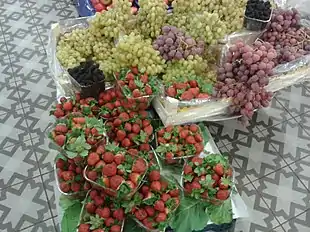
- fruit (sweet and fleshy product of a tree or other plant that contains seed and can be eaten as food)
- Synonyms: ܝܵܝܡܝܼܫ (yāymīš), ܦܹܐܪܵܐ (pērā)
- ܐ݇ܟ݂ܘܿܠ ܛܥܘܼܢܝܵܬܹ̈ܐ ܘܝܲܪ̈ܩܹܐ، ܚܘܼܠܡܵܢܵܝܹ̈ܐ ܝܢܵܐ!
- ḵōl ṭˁūnyātē w-yarqē, ḥūlmānāyē ìnā!
- Eat fruit and vegetables, they're healthy!
- Matthew 7:17:
- ܗܵܕܟ݂ܵܐ، ܟܠ ܐܝܼܠܵܢܵܐ ܛܵܒ݂ܵܐ، ܛܥܘܼܢܝܵܬܹ̈ܐ ܛܵܒ݂ܹ̈ܐ ܟܹܐ ܛܵܥܹܢ؛ ܐܝܼܢܵܐ ܐܝܼܠܵܢܵܐ ܒܝܼܫܵܐ، ܛܥܘܼܢܝܵܬܹ̈ܐ ܒܝܼܫܹ̈ܐ ܟܹܐ ܛܵܥܹܢ.
- hādḵā, kul īlānā ṭāḇā, ṭˁūnyātē ṭāḇē kē ṭāˁēn; īnā īlānā bīšā, ṭˁūnyātē bīšē kē ṭāˁēn.
- Even so, every good tree bears good fruit; but a bad tree bears bad fruit.
Inflection
Inflection of ܛܥܘܼܢܬܵܐ (ṭˁūntā)
| number | isolated forms | with possessive pronouns | |||||
|---|---|---|---|---|---|---|---|
| state | form | person | singular | plural | |||
| m | f | ||||||
| singular | absolute | – | 1st person | ܛܥܘܼܢܬܝܼ (ṭˁūntī) |
ܛܥܘܼܢܬܲܢ (ṭˁūntan) | ||
| construct | ܛܥܘܼܢܲܬ݂ (ṭˁūnaṯ) |
2nd person | ܛܥܘܼܢܬܘܼܟ݂ (ṭˁūntūḵ) |
ܛܥܘܼܢܬܵܟ݂ܝ (ṭˁūntāḵ) |
ܛܥܘܼܢܬܵܘܟ݂ܘܿܢ (ṭˁūntāwḵōn) | ||
| emphatic | ܛܥܘܼܢܬܵܐ (ṭˁūntā) |
3rd person | ܛܥܘܼܢܬܹܗ (ṭˁūntēh) |
ܛܥܘܼܢܬܵܗ̇ (ṭˁūntāh) |
ܛܥܘܼܢܬܗܘܿܢ (ṭˁūnthōn) | ||
| plural | absolute | – | 1st person | ܛܥܘܼܢܝܵܬ݂ܝܼ̈ (ṭˁūnyāṯī) |
ܛܥܘܼܢܝܵܬ݂ܲܢ̈ (ṭˁūnyāṯan) | ||
| construct | ܛܥܘܼܢܝܵܬ݂̈ (ṭˁūnyāṯ) |
2nd person | ܛܥܘܼܢܝܵܬ݂ܘܼ̈ܟ݂ (ṭˁūnyāṯūḵ) |
ܛܥܘܼܢܝܵܬ݂ܵܟ݂ܝ̈ (ṭˁūnyāṯāḵ) |
ܛܥܘܼܢܝܵܬ݂ܵܘ̈ܟ݂ܘܿܢ (ṭˁūnyāṯāwḵōn) | ||
| emphatic | ܛܥܘܼܢܝܵܬ݂ܹ̈ܐ (ṭˁūnyāṯē) |
3rd person | ܛܥܘܼܢܝܵܬ݂ܘܼ̈ܗܝ (ṭˁūnyāṯūh) |
ܛܥܘܼܢܝܵܬ݂̈ܘܿܗ̇ (ṭˁūnyāṯōh) |
ܛܥܘܼܢܝܵܬ݂ܗ̈ܘܿܢ (ṭˁūnyāṯhōn) | ||

Noun
ܛܵܥܘܿܢܬܵܐ • (ṭāˁōntā) f (plural ܛܵܥܘܿܢܝܵܬܹ̈ܐ (ṭāˁōnyātē), masculine ܛܵܥܘܿܢܵܐ (ṭāˁōnā))
Inflection
Inflection of ܛܵܥܘܿܢܬܵܐ (ṭāˁōntā)
| number | isolated forms | with possessive pronouns | |||||
|---|---|---|---|---|---|---|---|
| state | form | person | singular | plural | |||
| m | f | ||||||
| singular | absolute | – | 1st person | ܛܵܥܘܿܢܬܝܼ (ṭāˁōntī) |
ܛܵܥܘܿܢܬܲܢ (ṭāˁōntan) | ||
| construct | ܛܵܥܘܿܢܲܬ݂ (ṭāˁōnaṯ) |
2nd person | ܛܵܥܘܿܢܬܘܼܟ݂ (ṭāˁōntūḵ) |
ܛܵܥܘܿܢܬܵܟ݂ܝ (ṭāˁōntāḵ) |
ܛܵܥܘܿܢܬܵܘܟ݂ܘܿܢ (ṭāˁōntāwḵōn) | ||
| emphatic | ܛܵܥܘܿܢܬܵܐ (ṭāˁōntā) |
3rd person | ܛܵܥܘܿܢܬܹܗ (ṭāˁōntēh) |
ܛܵܥܘܿܢܬܵܗ̇ (ṭāˁōntāh) |
ܛܵܥܘܿܢܬܗܘܿܢ (ṭāˁōnthōn) | ||
| plural | absolute | – | 1st person | ܛܵܥܘܿܢܝܵܬ݂ܝܼ̈ (ṭāˁōnyāṯī) |
ܛܵܥܘܿܢܝܵܬ݂ܲܢ̈ (ṭāˁōnyāṯan) | ||
| construct | ܛܵܥܘܿܢܝܵܬ݂̈ (ṭāˁōnyāṯ) |
2nd person | ܛܵܥܘܿܢܝܵܬ݂ܘܼ̈ܟ݂ (ṭāˁōnyāṯūḵ) |
ܛܵܥܘܿܢܝܵܬ݂ܵܟ݂ܝ̈ (ṭāˁōnyāṯāḵ) |
ܛܵܥܘܿܢܝܵܬ݂ܵܘ̈ܟ݂ܘܿܢ (ṭāˁōnyāṯāwḵōn) | ||
| emphatic | ܛܵܥܘܿܢܝܵܬ݂ܹ̈ܐ (ṭāˁōnyāṯē) |
3rd person | ܛܵܥܘܿܢܝܵܬ݂ܘܼ̈ܗܝ (ṭāˁōnyāṯūh) |
ܛܵܥܘܿܢܝܵܬ݂̈ܘܿܗ̇ (ṭāˁōnyāṯōh) |
ܛܵܥܘܿܢܝܵܬ݂ܗ̈ܘܿܢ (ṭāˁōnyāṯhōn) | ||
This article is issued from Wiktionary. The text is licensed under Creative Commons - Attribution - Sharealike. Additional terms may apply for the media files.