oga
English
Pronunciation
- (Received Pronunciation) IPA(key): /ˈəʊ.ɡə/
- (General American) enPR: ōʹgə, IPA(key): /ˈoʊ.ɡə/
- Rhymes: -əʊɡə
- Homophone: ogre (non-rhotic accents)
Noun
oga (plural ogas)
- (West Africa) A chief, employer, or superior.
- 2013, Chimamanda Ngozi Adichie, chapter 50, in Americanah:
- Nigeria is not a nation of sandwich-eating people and his last oga did not eat bread in the afternoon.
Estonian
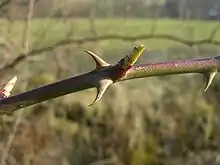
Etymology
From Proto-Finnic *oka, possibly borrowed from Proto-Baltic. Cognates include Finnish oas, oka (dialectal), Votic õgaz, Ingrian oas, Livvi ovas, Ludian ogas and Veps ogah.
Pronunciation
- IPA(key): /ˈoɡ̊ɑ/, [ˈoɡ̊ɑ]
- Rhymes: -oɡɑ
- Hyphenation: o‧ga
Noun
Declension
| singular | plural | |
|---|---|---|
| nominative | oga | ogad |
| genitive | oga | ogade |
| partitive | oga | ogasid |
| illative | okka ogasse |
ogadesse |
| inessive | ogas | ogades |
| elative | ogast | ogadest |
| allative | ogale | ogadele |
| adessive | ogal | ogadel |
| ablative | ogalt | ogadelt |
| translative | ogaks | ogadeks |
| terminative | ogani | ogadeni |
| essive | ogana | ogadena |
| abessive | ogata | ogadeta |
| comitative | ogaga | ogadega |
Synonyms
- (thorn, prickle): okas
Derived terms
- ohakas
Compounds
- ogaannoona
- ogahai
- ogajätke
- ogamelon
- ogaputk
- ogarai
- ogasiilik
- ogaujur
- ogaõun
Related terms
References
- oga in Sõnaveeb
- M. Langemets, M. Tiits, T. Valdre, L. Veskis, Ü. Viks, P. Voll, editors (2009), “oga”, in [EKSS] Eesti keele seletav sõnaraamat [Descriptive Dictionary of the Estonian Language] (online dictionary, in Estonian), 2nd edition, Tallinn: Eesti Keele Sihtasutus (Estonian Language Foundation)
Gun
Pronunciation
Audio (Nigeria) (file)
Related terms
Hausa
Latvian

Etymology
From Proto-Baltic *wog-, from Proto-Balto-Slavic *ṓˀgāˀ, from Proto-Indo-European *h₂ógeh₂. Cognates include Lithuanian úoga, Old Church Slavonic агода (agoda), and possibly Tocharian B oko.[1]
Pronunciation
- IPA(key): [uôɡa]
Noun
oga f (4th declension)
- berry (small fruits of various species)
- ogu sula ― berry juice
- ogu krūms ― berry bush
- ogu ķekars ― berry bunch
- iet ogās, iet lasīt ogas ― to go pick berries
- ogu laiks ― berry time (season)
Declension
Derived terms
References
- Karulis, Konstantīns (1992), “oga”, in Latviešu Etimoloģijas Vārdnīca (in Latvian), Rīga: AVOTS, →ISBN
Nigerian Pidgin
Noun
oga
- boss, master, senior
- 2020, Holy Bible Nigerian Pidgin English, Nigeria: Wycliffe Bible Translators, Inc., Rut [Ruth] 2:13:
- Rut kon sey, “My oga, yu really dey good to mi, bikos yu don trit mi like yor savant, even doh I nor bi yor savant!”
- Ruth then said, "My boss, you are really good to me because you treat me like your servant, even though I am not your servant!"
Old Dutch
Etymology
From Proto-West Germanic *augā.
Alternative forms
Further reading
- “ōga”, in Oudnederlands Woordenboek, 2012
Old English
Etymology
From Proto-West Germanic *ōgan, from Proto-Germanic *ōganą (“to be afraid”).
Pronunciation
- IPA(key): /ˈoː.ɡɑ/, [ˈoː.ɣɑ]
Old Saxon
Etymology
From Proto-West Germanic *augā.
Compare Old English ēage, Old Frisian āge, Old Dutch ōga, Old High German ouga, Old Norse auga, Gothic 𐌰𐌿𐌲𐍉 (augō).
Descendants
- Middle Low German: ôge
Swahili
Etymology
From Proto-Bantu *-jóga.
Pronunciation
Audio (Kenya) (file)
Usage notes
In some dialects, this verb may conjugate like a monosyllabic verb; see Appendix:Swahili verbs for those conjugated forms.
Conjugation
| Conjugation of -oga | |||||||||||||||||||||||||||||||||||||||||||||||||||||||||||||||||||||
|---|---|---|---|---|---|---|---|---|---|---|---|---|---|---|---|---|---|---|---|---|---|---|---|---|---|---|---|---|---|---|---|---|---|---|---|---|---|---|---|---|---|---|---|---|---|---|---|---|---|---|---|---|---|---|---|---|---|---|---|---|---|---|---|---|---|---|---|---|---|
| |||||||||||||||||||||||||||||||||||||||||||||||||||||||||||||||||||||
| Infinitives | |||||||||||||||||||||||||||||||||||||||||||||||||||||||||||||||||||||
| |||||||||||||||||||||||||||||||||||||||||||||||||||||||||||||||||||||
| Imperatives | |||||||||||||||||||||||||||||||||||||||||||||||||||||||||||||||||||||
| |||||||||||||||||||||||||||||||||||||||||||||||||||||||||||||||||||||
| Tensed forms | |||||||||||||||||||||||||||||||||||||||||||||||||||||||||||||||||||||
| |||||||||||||||||||||||||||||||||||||||||||||||||||||||||||||||||||||
| |||||||||||||||||||||||||||||||||||||||||||||||||||||||||||||||||||||
| |||||||||||||||||||||||||||||||||||||||||||||||||||||||||||||||||||||
| |||||||||||||||||||||||||||||||||||||||||||||||||||||||||||||||||||||
| |||||||||||||||||||||||||||||||||||||||||||||||||||||||||||||||||||||
| |||||||||||||||||||||||||||||||||||||||||||||||||||||||||||||||||||||
| |||||||||||||||||||||||||||||||||||||||||||||||||||||||||||||||||||||
| |||||||||||||||||||||||||||||||||||||||||||||||||||||||||||||||||||||
| |||||||||||||||||||||||||||||||||||||||||||||||||||||||||||||||||||||
| |||||||||||||||||||||||||||||||||||||||||||||||||||||||||||||||||||||
| Some forms not commonly seen in modern Standard Swahili are absent from the table. See Appendix:Swahili verbs for more information. | |||||||||||||||||||||||||||||||||||||||||||||||||||||||||||||||||||||