I just sold some BTC for XRP, and managed to get a negative balance. WTF?
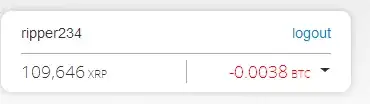
Transaction ID - E2D1BBD7A602E9D5B16FD79819A0347E18DED7F988F2F4C9EA3854BFCB4D3664
I just sold some BTC for XRP, and managed to get a negative balance. WTF?
Transaction ID - E2D1BBD7A602E9D5B16FD79819A0347E18DED7F988F2F4C9EA3854BFCB4D3664

Ripple address r3AWbdp2jQLXLywJypdoNwVSvr81xs3uhn and you set up a trust line for 1.0 BTC in each direction. As part of some previous payment (not a trade), Ripple made use of that trust line just as it was told it could. If you don't want a negative balance ask people not to trust you :-). [As an aside, previous ripple implementations like classic.ripplepay.com required you to approve and limit what trust others gave you, it's more complicated and there really isn't a downside to people trusting you so ripple.com doesn't support that, at least not yet).]
Looking at the Ripple Live Graph... you currently owe the above address 0.1 BTC and you have 0.096+ BTC from WeExchange. For small amounts it's generally easiest to just leave it alone in Ripple rather than trying to zero it. The friend that has your IOU can use it to make payments through you and anyone that accepts your IOUs or that accepts any IOUs you hold.
E.g. If your friend had a WeExchange account (they don't trust WeEx currently so they may not) they could pay WeExchange say 0.06 BTC. Your total balance would stay the same but you'd owe the friend only 0.04 BTC and hold 0.036+ BTC from WeExchange. Your friend could pay their Bitstamp account too. In that case the payment would go through you, to rfTXGr6j9ExwSQd9NwRaLBCCa4VETr4GYu (who trusts you) and from them to Bitstamp. In that case the first friend would effectively be exchanging your IOUs with the second friend in exchange for their Bitstamp IOUs :-).
